From aviation law to the law of uncrewed air traffic


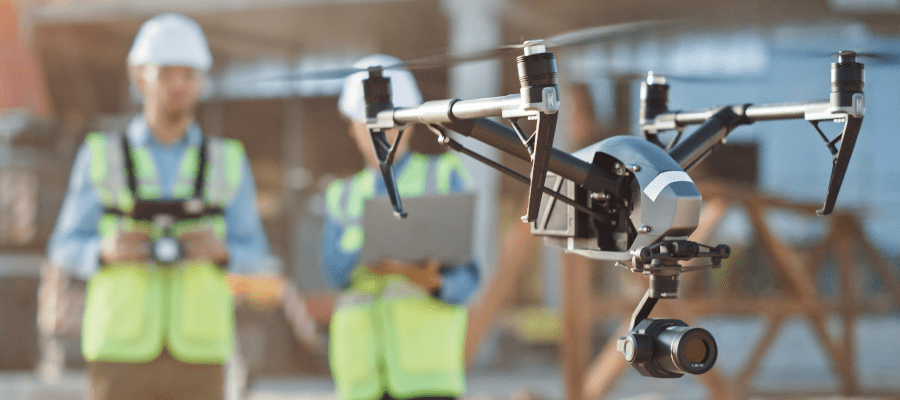
The future of aviation will no longer be shaped solely by new aircraft models but by a new mode of transport – uncrewed air traffic. We often still refer to „drones“. However, this term only describes the aircraft itself. In reality, much more is taking shape: a digital transport system that will soon influence logistics, energy supply, surveying, agriculture, infrastructure monitoring, rescue services, security tasks, and numerous other areas.
This development is comparable to the emergence of railway or road traffic. Initially, the focus was also on the vehicle. It later became clear that it was not the locomotive or the automobile that was the actual innovation, but the development of a new transport system with its own infrastructure, operational rules, and legal framework. Uncrewed air traffic is at this very point today.
Technologically, its development is advancing at a high speed. However, the legal framework has so far only followed in specific aspects. Europe and Germany now have a modern drone law in place, but at its core, it remains primarily regulatory approval and hazard prevention law. It regulates under what conditions individual flights may be conducted. Comprehensive traffic law for uncrewed air traffic, on the other hand, does not yet exist. The real challenge of the coming years will therefore be less technical and more legal in nature.
What legal framework does uncrewed air traffic need?
In my opinion, the essential developments will focus on ten central areas of law:
First, aviation law must evolve from a regulatory law to a traffic law. The current operations are based on exceptions backed by SORA procedures or individual approvals. This not suitable for a future regular service with thousands of daily flights.
Second, Europe will need to create digital airspaces. The classic controlled airspace is no longer sufficient for autonomous flight systems. U-Space is an important first step but will need to be expanded in the long term into a comprehensive digital traffic management system.
Third, artificial intelligence will become part of aviation law. Today, it is ultimately always a pilot who makes the final decision. In the future, algorithms will optimize flight paths, calculate evasive maneuvers, and prepare mission decisions. This raises new questions about approval, certification, and accountability.
Fourth, liability law must be further developed. Who bears responsibility when autonomous systems make decisions: manufacturers, operators, pilots, software developers, or those commissioning the use? The current aviation liability law will only partially address these questions.

Prof. Dr. Martin Maslaton is a specialist lawyer for administrative law and a Board Member of BVZD
Fifth, cybersecurity will become an independent component of aviation law. Future aircraft will constantly communicate with digital infrastructures. Protection against manipulation will thus be just as significant as traditional flight safety.
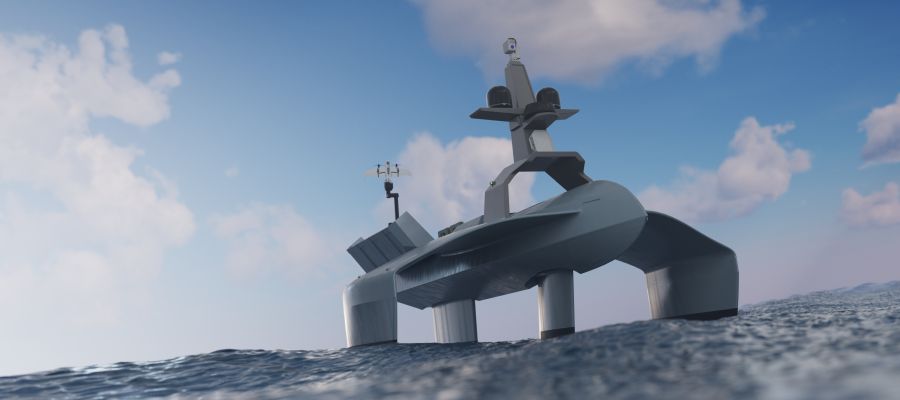
Sixth, European aviation law must better integrate civil and governmental applications. Many systems will soon be developed as dual-use platforms. The regulatory transitions between civilian use, national security, first responders, and defense will become more fluid as a result.
Seventh, new rules for the integration of crewed and uncrewed aircraft are necessary. The frequently discussed „Crewed-Uncrewed Teaming“ will not only affect military applications but also civil aviation.
Eighth, take-off and landing infrastructures will need to be legally reclassified. Vertiports, drone ports, charging facilities, and digital operational centers will be components of a new transport infrastructure.
Ninth, international harmonization will significantly increase in importance. Uncrewed air traffic does not end at national borders. In the long term, ICAO, EASA, and national authorities will need to develop common standards for global autonomous air traffic.
Finally, lawmakers will need the courage to tenthly no longer treat uncrewed air traffic merely as a special case of traditional aviation. It is evolving into a standalone transport mode with its own operational forms, infrastructure, and risks.
Outlook: From special case to regular flight operations
The history of traffic law shows: every new mode of transport has given rise to its own legal framework. Railways, motor vehicles, and aviation have each led to the creation of new legal conditions. Uncrewed air traffic will be no exception in this regard.
More News

The real revolution therefore lies not only in autonomous aircraft. It will primarily manifest in the coming years in legal codes, regulations, and international legal frameworks. Those who shape this development at an early stage influence not only the legal framework of the future but also the international competitiveness of one of the most important technology markets of the coming decades.
If you use Google as your search engine, you can set Drones as your preferred source so that our content appears more frequently in your search results. Add Drones as your preferred source.