European Security Update


In response to increased drone sightings around sensitive facilities, the European Commission presented an action plan in mid-February to ensure safe UAS operations and combat illegal drone operations. The regulatory adjustments outlined in this plan have been developed over the past few months by the European Union Aviation Safety Agency (EASA) and are now presented in the form of EASA Opinion 06/2026. If the EU Commission agrees, it would significantly change how unmanned aerial vehicles operate.
In the fall of 2025, sightings of apparently illegally operated drones around airports, sensitive industrial sites, and military installations drew considerable attention across Europe. This prompted demands from the EU Parliament and member states to reorganize the relevant protection and security regulations at the EU level. A few months later, the EU Commission introduced an action plan to promote safe UAS operations and combat illegal drone operations. Some of the initiatives outlined in this plan require regulatory amendments to the relevant “drone regulations” 2019/945 and 2019/947.
Stricter Registration Requirements
In response, the responsible European Union Aviation Safety Agency (EASA) developed an initial regulatory draft (NPA 2026-103), which, after a public comment phase and a workshop with stakeholders from the uncrewed aviation sector, has led to the now-presented EASA Opinion 06/2026. In addition to adjustments to the specific designations of geographic areas to be defined by EU member states, the proposed amendments to the European implementing regulations 2019/945 and 2019/947 primarily focus on stricter registration requirements and an expanded obligation for direct remote identification of uncrewed aerial systems.
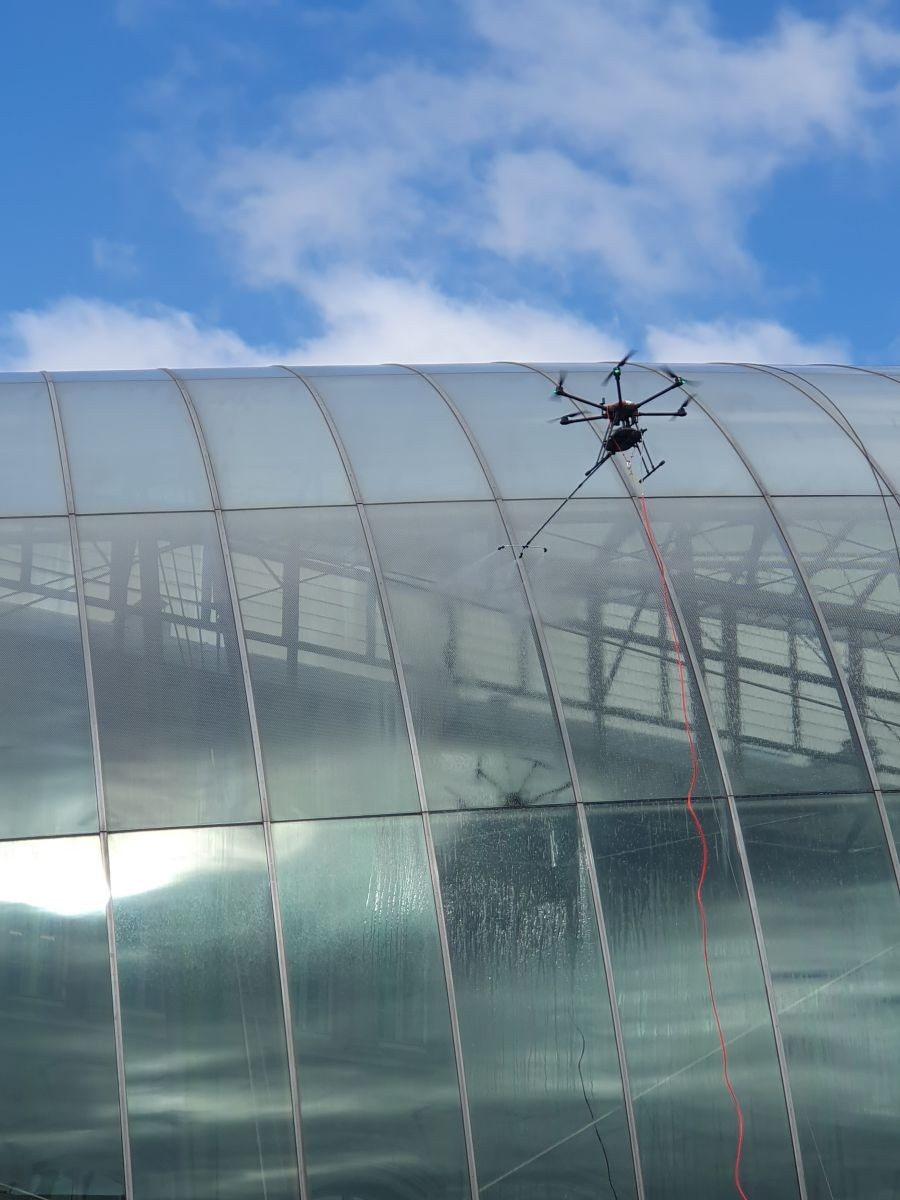
Due to their specific characteristics, there are certain regulatory relaxations for the operation of tethered drones compared to free-flying UAS
The perhaps most striking innovation relates to the weight limits: The obligation for operator registration and the issuance of direct remote identification (Direct Remote ID) will, regarding operations in the “Open” category, apply from a take-off mass of 100 grams instead of the previous 250 grams. This applies regardless of whether the drone is equipped with sensors capable of collecting personal data. Operators of UAS in the “Specific” category must register as operators regardless of the take-off weight of the drone.
Special regulations will also apply for tethered UAS. On the one hand, regarding the weight limit for operator registration (from 1 kilogram). On the other hand, concerning the required strength of the cable connection, which must, according to the EASA opinion, be four times the maximum thrust of the drone used, significantly lower than the originally planned guideline supported by some industry members that proposed a tenfold requirement.
Mandatory Identity Verification
To prevent fake profiles or anonymous registrations, national aviation authorities will be required to verify applicants’ identities before issuing a registration number. Moreover, the operator ID must be integrated directly into the aircraft: Future drones of classes C0 to C4 must be equipped technically so that a launch is only possible if an ID is registered in the system. However, under the EASA concept, individual member states may grant exemptions from the mandatory technical launch lock and from mandatory remote identification (Direct Remote ID) for private use of drones and model aircraft under the auspices of associations and clubs. If they do not, the stricter regulations will also apply to privately used UAS and model aircraft.
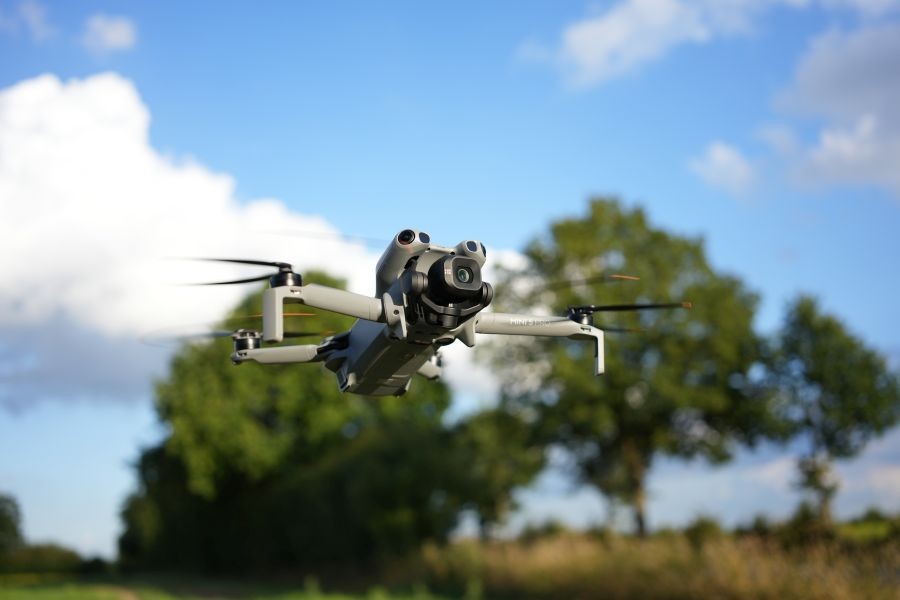
Since product weights are subject to manufacturing-related variations, existing tolerance thresholds are to be enshrined in Regulation 2019/945 to provide additional clarity
To avoid confusion like that seen during the launch of the DJI Mini 5 Pro, where the weight in certain batches was slightly above the 250-gram limit, tolerance thresholds of 2% or 3% – depending on the C class – will be enshrined directly into Regulation 2019/945. Since this is already addressed in the relevant standard EN 4709-001, it is less a new measure than a clarification.
Proportionality and Risk Assessment
The changes regarding the geographical UAS areas regulated in Article 15 of the Implementing Regulation (EU) 2019/947 aim to impose on individual Member States an increased obligation of proportionality and transparent risk assessment before establishing new prohibition, restriction, or special zones, as well as supplementary national regulations for UAS operations within each country. To this end, a new Article 15 (1bis) will be introduced. However, contrary to initial expectations, there will be no explicit requirements for a sensitive area termed “Critical Infrastructure.” Instead, the general mechanism for defining geographical UAS areas under Article 15 will continue to govern the protection of sensitive areas.
More News



A key new requirement for operational practice is EASA’s demand that all information and data on flight areas be provided not only in text form in the respective official language but also in English. In the future, the data will also be published in a machine-readable format, which — if approved by the EU Commission — would represent a significant step toward a fully digitized European airspace.
If you use Google as your search engine, you can set Drones as your preferred source so that our content appears more frequently in your search results. Add Drones as your preferred source.