Optimizing processes
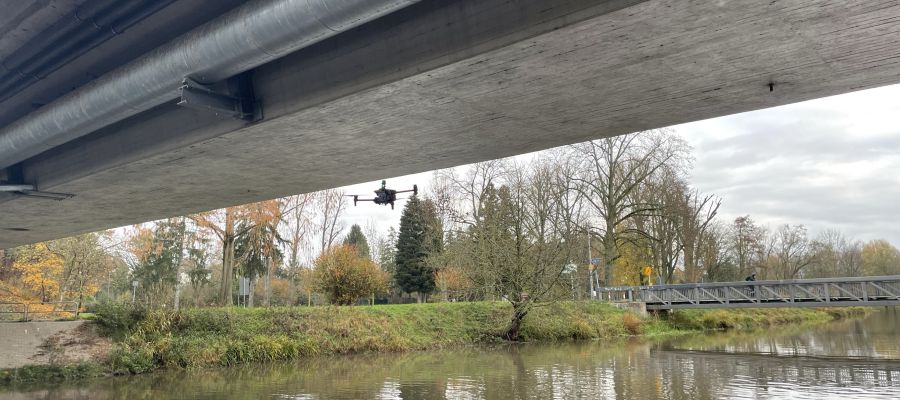

Efficiency is a crucial factor both in energy generation and consumption. Where leakage or insufficient insulation occurs, avoidable burdens arise for the environment as well as for the budgets of businesses and households. The energy provider Mainova, with the support of the UAS service provider Droniq, is now using drones to verify the proper functioning of district heating lines right in the heart of Frankfurt am Main.
Linear infrastructure – such as power lines, pipelines, or district heating lines – must be regularly inspected for their proper condition. The sooner leaks or material damage are detected, the more reliably larger damages can be avoided. The inspection can sometimes involve significant personnel and organizational effort, especially when sections of the lines are not easily accessible, are obscured by vegetation, or run under bridges. Unmanned aerial systems can provide very useful services in this regard, as demonstrated by the energy provider Mainova in an initial test project and, now, in regular operations in partnership with Droniq.
Safety relevance
„The inspection of our extensive district heating network regularly presents us with significant logistical and safety challenges – especially in hard-to-reach locations such as bridges or densely populated areas“, explains Marco Pietsch, Head of Operations of the Heating Network at Mainova. „Together with Droniq, we were able to test how drones can make these inspections more efficient and how they can be integrated into our existing processes in a legally secure manner.”
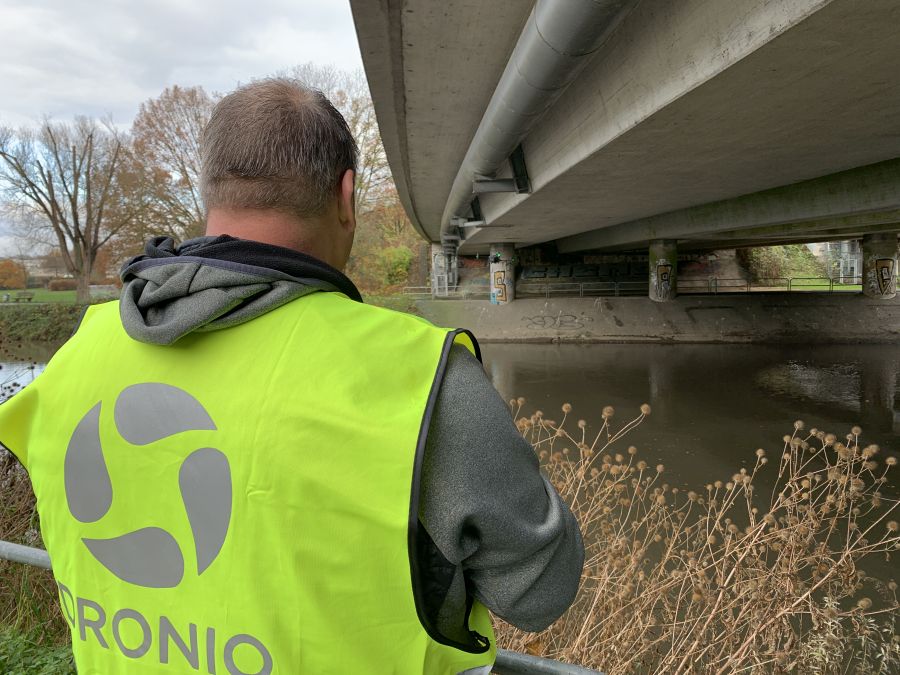
Currently, the flights of the sections are done VLOS; automated BVLOS operations are not planned
During inspections of district heating lines, drones fly over the sections and capture images of the infrastructure using cameras and thermal imaging sensors. The footage reveals temperature differences that may indicate potential heat losses or damage at transitions and hangers. For the exposed sections, the DJI M30T is predominantly used in Frankfurt, while the Mavic 4T is utilized in certain locations.
Regulatory challenge
„Our goal is to enable companies to use drones professionally and safely“, says Jan-Eric Putze, CEO of Droniq GmbH. „The project with Mainova demonstrates the potential of drones for inspecting critical infrastructures – especially in urban areas.” Operating UAS commercially in a major city like Frankfurt am Main presents regulatory challenges. Currently, only selected sections of Mainova’s over 300-kilometer district heating network in the Main metropolis can be inspected by drone. The line usually runs along narrow plots owned by Mainova, which must be followed while flying. Certain areas must, however, be avoided unless there is consent from the property owners, even when a general permit is in place. Additionally, coordination with institutions, such as hospitals with helicopter landing sites, is necessary. In individual cases, flights have already occurred below federal highways and over federal waterways, again solely based on the general permit for the limited use of drones in residential and industrial areas, which Mainova AG successfully applied for with the support of Droniq.
More News
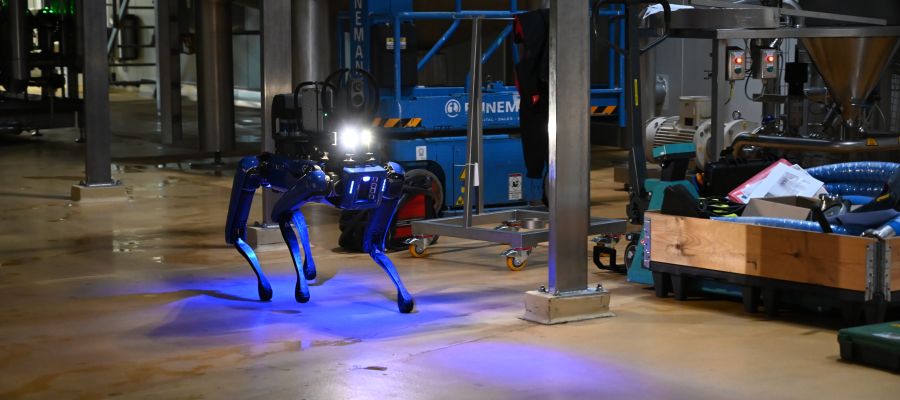
Per operation, several kilometers of lines can be inspected, and the data can then be documented and evaluated. To use the drones, Droniq trained six Mainova employees, both theoretically and practically, in professional UAS operations. Additionally, the company provided suitable drone technology, including industrial drones equipped with thermal cameras and spotlights, as well as smaller consumer drones weighing under 250 grams.
If you use Google as your search engine, you can set Drones as your preferred source so that our content appears more frequently in your search results. Add Drones as your preferred source.
-City-outdoor-3.jpg)