NDAA-compliant battery cells for UxS
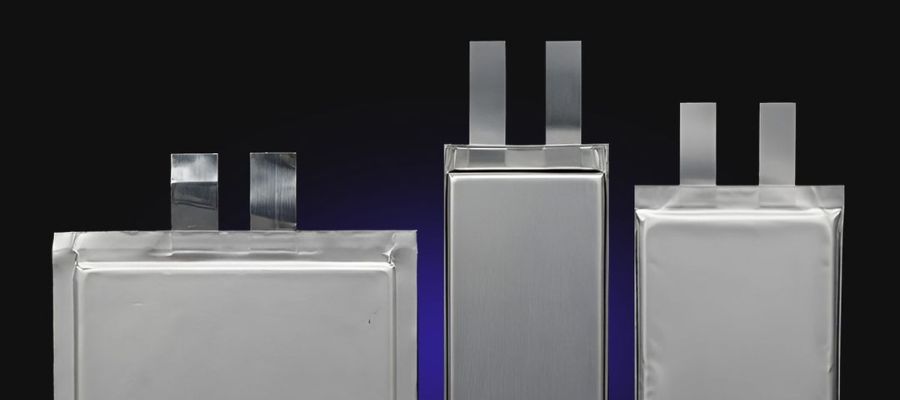

The requirements for energy systems in modern uncrewed platforms are rising rapidly. Military and commercial user groups continuously demand longer flight and operational times, higher payload capacities, and maximum operational flexibility. The Buffalo, New York-based company Natrion has now introduced two lines of battery cells, Cirrus and Stratus, which, according to official statements, help provide unmanned systems with the desired characteristics.
Higher range and greater speed: This is what US company Natrion promises with the introduction of its latest generation of anode-free battery cells, specifically designed for unmanned systems and humanoid robots. The new developments, Cirrus and Stratus, are the result of a long-standing collaboration with the US Air Force and the US Navy, which has provided the company with financial leeway for innovations through several contracts.
Up to 80 percent more energy capacity
According to Natrion, conventional Li-Ion cells stagnate at an energy density of about 250 to 280 watt-hours per kilogram (Wh/kg), while the new cells are expected to achieve a nearly 80 percent increase in energy capacity. The cells from the Cirrus line are said to exceed the 450 Wh/kg threshold. This enables unmanned systems to operate significantly longer and faster with the same payload. Additionally, the new pouch cells are precisely tailored to the dimensions of standard cylindrical 21700 lithium-ion form factors. This means they can be directly integrated as replacements for existing battery packs without any hardware modifications to unmanned systems, providing users with up to 80 percent more energy capacity at practically the same weight.
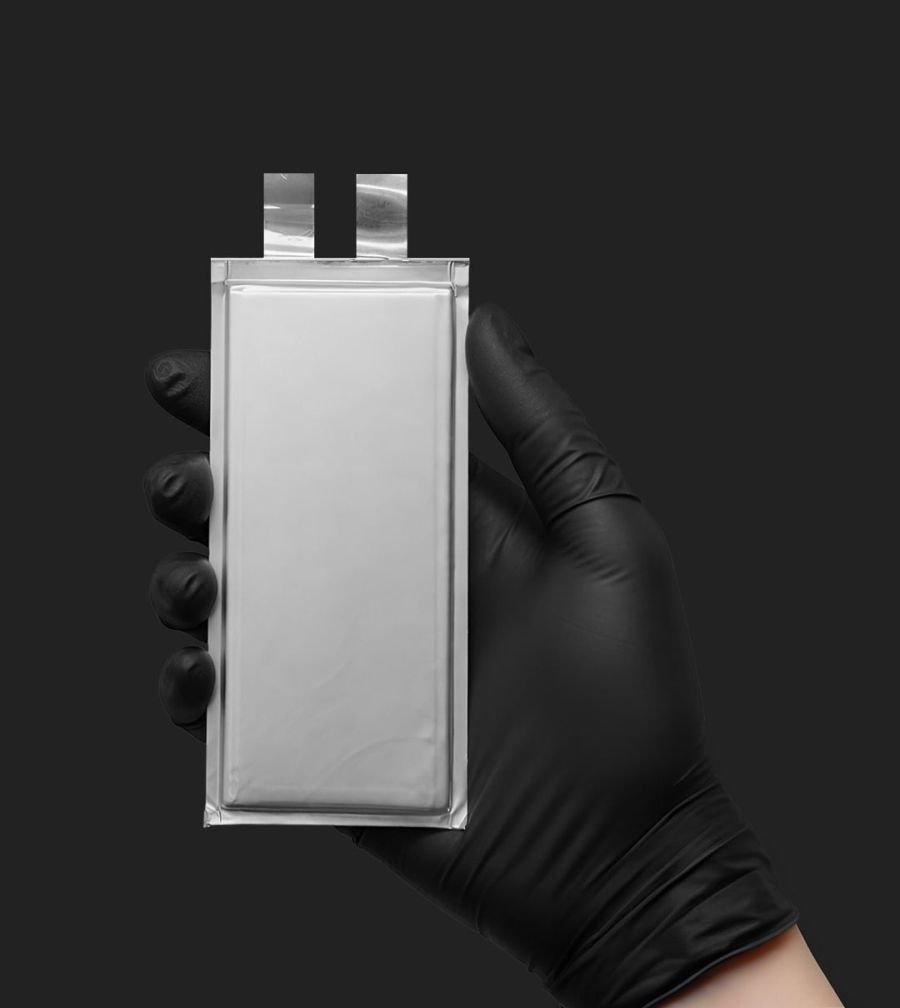
The battery cells are designed to be integrated into unmanned systems without requiring hardware modifications
More News

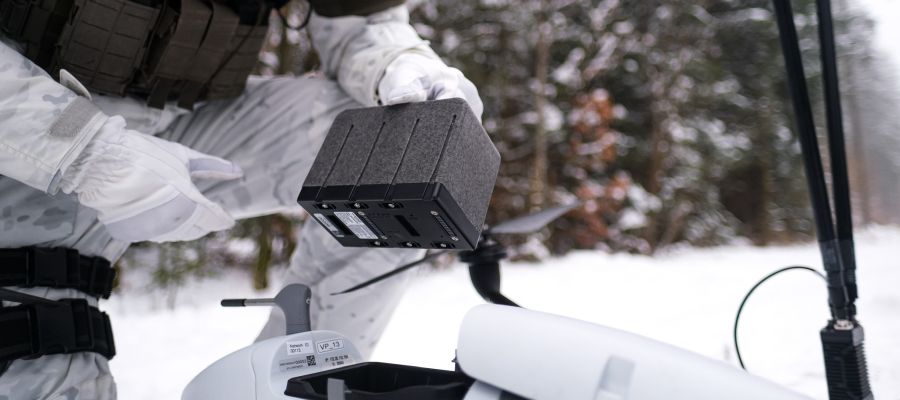
In addition to the raw performance data, the manufacturing process deserves closer examination. Conventional lithium-ion cells must be assembled under extremely precise moisture control in specialized dry rooms and often require a weeks-long aging phase before delivery. However, the Cirrus cells from Natrion have been specifically designed for cost-effective „open-air assembly“ in normal air and with standard manufacturing facilities. Furthermore, the aging time required to stabilize the cell chemistry is reduced to less than two days.
If you use Google as your search engine, you can set Drones as your preferred source so that our content appears more frequently in your search results. Add Drones as your preferred source.