Leipzig as a Wake-Up Call


The attempted drone attack at Leipzig/Halle Airport was more than a foiled incident. It has shown how vulnerable critical infrastructure is to non-cooperative drones. But Europe’s response cannot stop at counter-UAS systems: a scaled civilian drone market, supported by a digital airspace picture, qualified operators and interoperable Urban Traffic Management structures, would be an essential building block of security.
The immediate questions arising after the “wake-up call“ in Leipzig were necessarily practical: How did an explosives-equipped drone enter a protected airport area? How was it operated? And how can comparable attempts be prevented? Yet the German government’s subsequent attribution of responsibility to Russia gives the event a wider significance. It shows how a hostile state can exert pressure far behind any front line by exploiting the grey zones of hybrid activity.
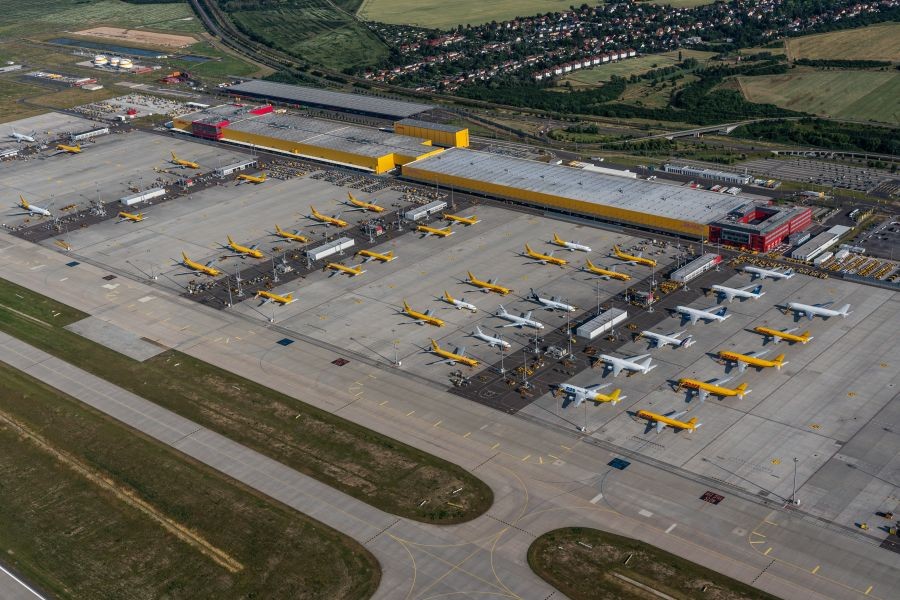
The attempted attack on Leipzig/Halle Airport using an explosives-laden drone has demonstrated how vulnerable critical infrastructure is to the illicit use of UAS
Europe is not at war with Russia. But Russia is intensifying hostile activity against Europe: testing vulnerabilities, probing political resolve and creating uncertainty around critical infrastructure. The response must be firm without becoming alarmist. Europe needs to prevent, detect and defeat dangerous drone activity. At the same time, it must build resilience that makes such activity less effective, less ambiguous and less attractive. That requires technology, clear legal authority, workable procedures, industrial capacity and credible political communication.
The missing layer: civilian drone capacity
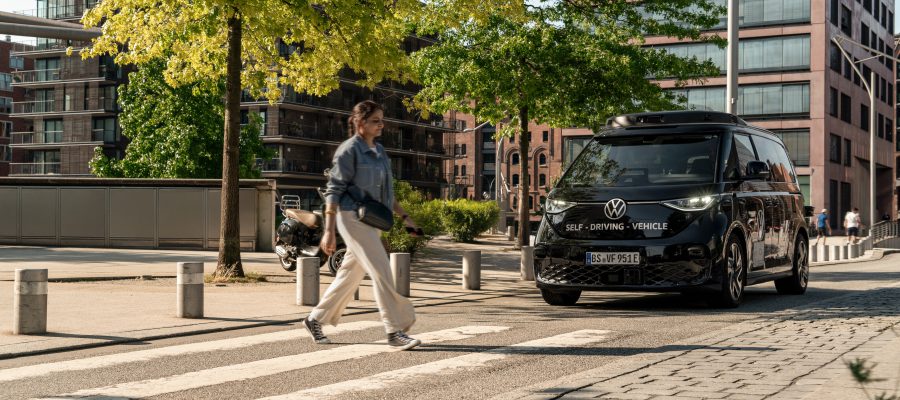
The counter-drone debate still too often starts and ends with the defeat of non-cooperative drones. That is too narrow. Over the past decade, Europe has developed a substantial civilian drone ecosystem: operators, manufacturers, software companies, UTM and U-space service providers, training organisations and data-service specialists. Many of these capabilities are directly relevant to security resilience, even when the companies’ core business remains civilian.
A mature civilian drone market would provide a continuously updated picture of what is legitimately flying in European airspace. Cooperative drones can be identified and managed through communications and digital traffic-management systems. This would allow the great majority of legitimate traffic to be classified quickly. Security resources could then focus more precisely on anomalies: aircraft concealing their signal, operating where they should not, or displaying unusual behaviour. European companies already have capabilities to recognise and classify such signals within large volumes of radio-frequency data.
Civilian systems will not solve hostile drone threats on their own. Non-cooperative actors will try to bypass them. But a functioning civilian ecosystem fundamentally changes the baseline: it improves early warning, creates more operational data, qualified personnel, maintenance and operating experience, and proven technologies. Sensing and situational awareness need not therefore be exclusively state-funded and state-operated assets. They can be part of an economically viable infrastructure that enables legitimate commercial services while also serving a security function.
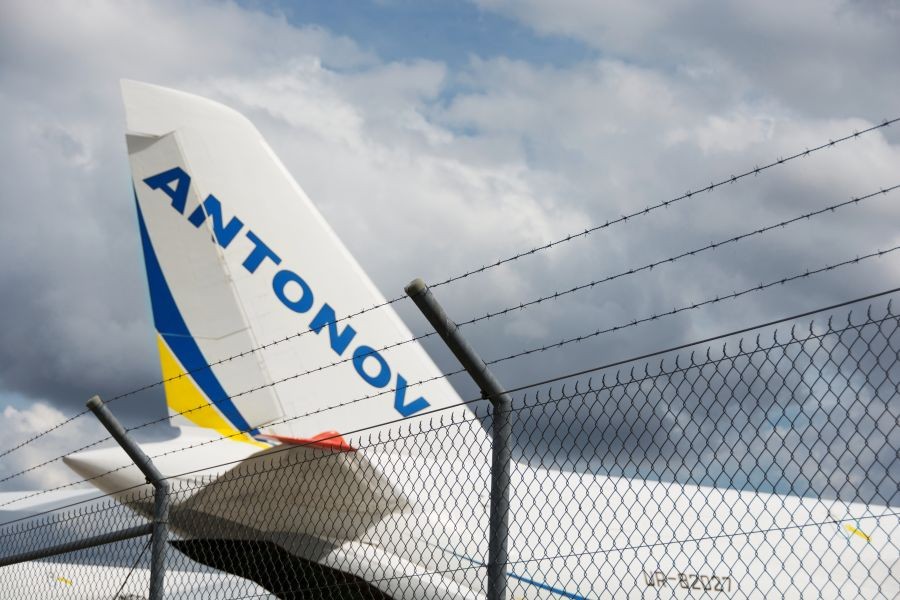
Traditional protective mechanisms such as fences are ill-suited to address modern threat scenarios
This is the strategic argument for implementing – not constraining – Europe’s civilian drone framework. The wrong lesson from Leipzig would be to slow the wider deployment of commercial drone services because drones can also be dangerous. Drone use and drone-enabled services will continue to grow. Security is strengthened when safe, authorised and accountable operations can scale, while misuse is effectively constrained. Blanket restrictions, prolonged case-by-case approvals and national fragmentation weaken precisely the operational market that Germany and Europe need for security reasons as well.
Resilience begins at the site
Airports, ports, energy facilities, logistics hubs and other critical infrastructure need practical protection now. Many sites lack sufficient detection capability. In Germany, legal powers and responsibilities must also be clarified and allocated so that action can be taken quickly when a threat emerges. Operators need appropriate systems, trained personnel and clear authority to initiate a proportionate response. Short reporting chains and a pre-defined escalation ladder are equally necessary, from an incident at the site, through law-enforcement support, to military assistance where civilian means are no longer sufficient.
The better a site can deal with an incident safely and lawfully at the point of occurrence, the faster and more cost-efficient the response can be. But the system must be sustainable. A protective concept that can only be activated at extraordinary cost will struggle if incidents become recurrent. Responsibilities, liability and, where appropriate, insurance arrangements must therefore cover the full spectrum, from careless recreational activity through criminal and terrorist conduct to state-directed intrusion.
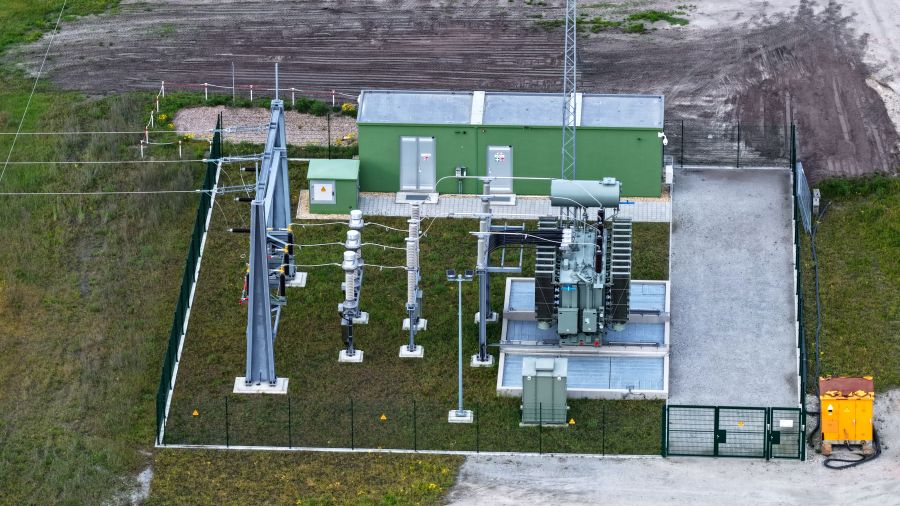
To be able to efficiently protect the numerous critical infrastructure facilities, a comprehensive situational awareness of the airspace is required
The pressure to act is high. Airports and other operators will therefore procure and deploy counter-UAS systems quickly in the coming months. Initially, the solutions installed may often be those that are the most available, rather than those selected under an ideal European-wide architecture. This may create interoperability and cost issues later. It is nevertheless no reason to wait. The next phase must systematically incorporate common technical standards, integration pathways and European supply chains. Becoming resilient is a marathon, not a sprint.
From technology to security and defence readiness
The growing overlap between civilian and military use does not mean that every civilian UAS capability that is also relevant for the military automatically makes a company defence-ready. A provider of UTM systems or civilian sensor services can already make an important security contribution by improving the operational picture around a protected site. Supplying defence or high-security customers, however, requires more than adapting a product to a military requirement.
Defence readiness concerns the entire organisation: physical perimeter protection and access control; security vetting for sensitive functions; protection of data, information and product design; cybersecurity; traceable components and supply chains; configuration and quality management; production resilience; and the capacity to sustain a capability over time. Customers buy more than technology. They buy confidence in a supplier and in its ability to meet sensitive requirements reliably over the long term.
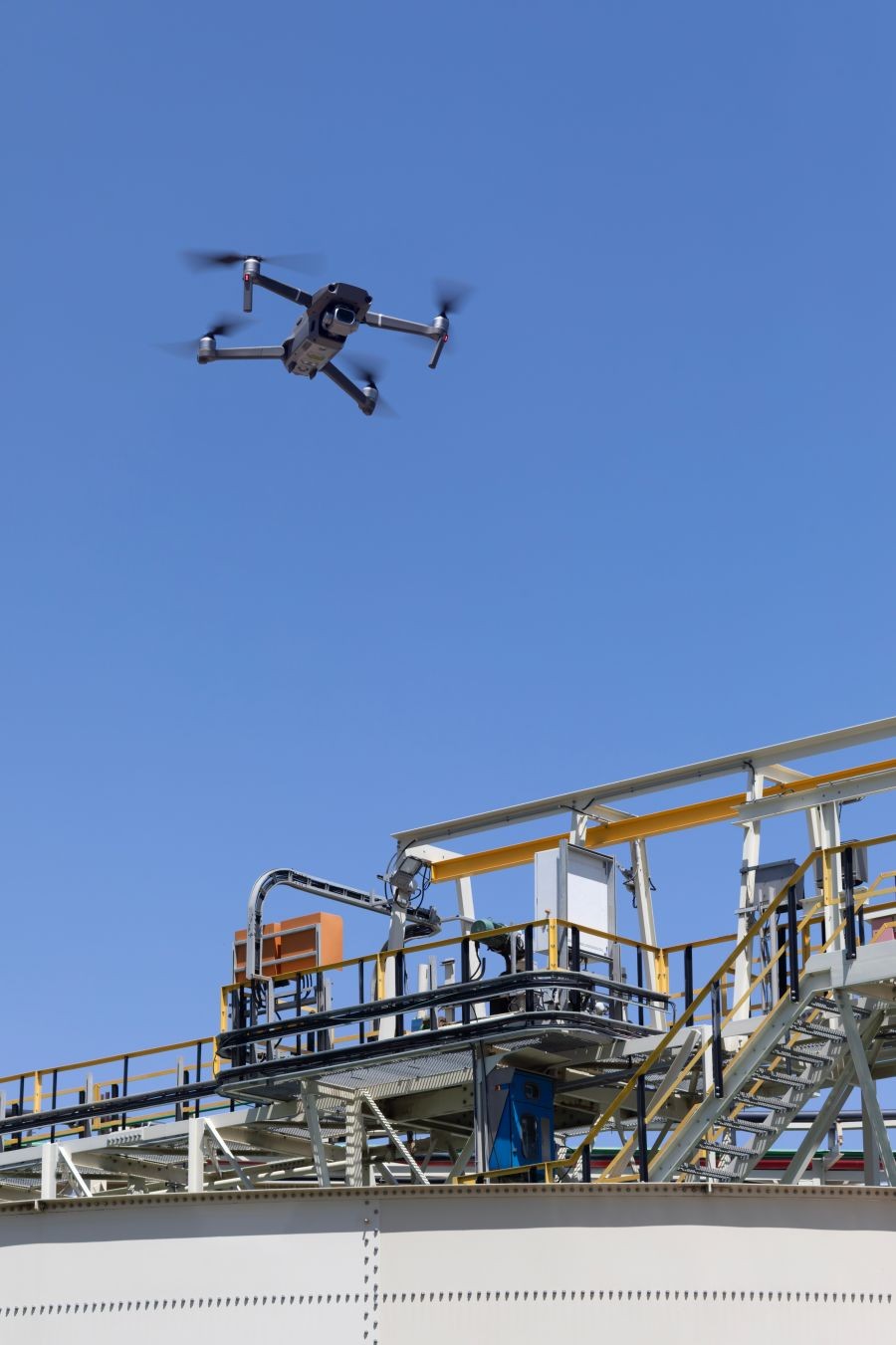
The more extensively commercially operated drones are used in the economy and society, the greater the technological capabilities in the field of unmanned systems that can be utilized for security and defense
Not every civilian drone company needs to become a miniature defence prime. For some, a full move into the defence market will make sense. For others, the stronger proposition will be to continue offering established civilian products while clearly demonstrating the security function those products fulfil. What matters is to define the company’s role realistically and to build the organisational, technical and financial capabilities it requires.
Europe’s industrial structure should reflect this reality. Alongside established OEMs, new system integrators are emerging from the start-up and scale-up world, especially in unmanned systems. Civilian companies can join these established and new networks as suppliers of software, sensors, communications, operations, integration, or data services. The policy task is not to impose a single corporate model, but to make the financing, partnering and scaling of these connections easier.
Procurement must reward learning
Innovative companies need realistic opportunities to test capabilities close to the end user, improve them quickly and compete for follow-on orders. Procedures built for long-established, large programmes must not de-facto exclude younger companies. More and more test and demonstration environments are emerging across Europe; some combine space, infrastructure and close contact with military users. For tragic reasons, Ukraine has become an important location for operational validation. Europe needs complementary, reliable and legally sound domestic pathways for testing, procurement and training.
Three steps are now essential:
First: Fully and consistently implement Europe’s civilian drone rules. A scaled commercial market generates not only growth and employment, but also the airspace picture, skills and infrastructure needed to manage persistent non-cooperative drone activity.
Second: Ensure that current investment in protecting airports and critical infrastructure strengthens interoperable capabilities and European supply chains over time, rather than entrenching a patchwork of isolated procurements.
Third: Collect and assess strategically significant drone incidents jointly at the European level. A common situational picture enables coordinated political responses and makes it harder for an aggressor to exploit divergent threat perceptions among member states.
The division of labour should remain pragmatic. National authorities must adapt legal frameworks, allocate responsibilities and enable the immediate protection of critical infrastructure. The EU should strengthen shared situational awareness, standards, industrial scaling, cross-border interoperability and the civilian-security response. NATO remains indispensable where collective defence, military security and the protection of Alliance borders are at stake.
The answer to existing challenges in the field of UAS lies in the consistent implementation of the European legal framework and the development of technological resilience at the EU level
Leipzig has shown that vulnerability is no longer an abstract risk. The credible response is neither an escalation of rhetoric nor merely a shopping list for counter-drone equipment. Europe needs a robust, layered system: protected sites able to react quickly; clear lawful authority and escalation procedures; a shared operational picture; a scaled civilian drone economy; and industrial partners able to turn innovation into dependable security and defence capability.
That would make more than airports safer. It would make Europe harder to test, intimidate and divide, in short, more resilient.
If you use Google as your search engine, you can set Drones as your preferred source so that our content appears more frequently in your search results. Add Drones as your preferred source.