From Blanket Restrictions to Tiered Options
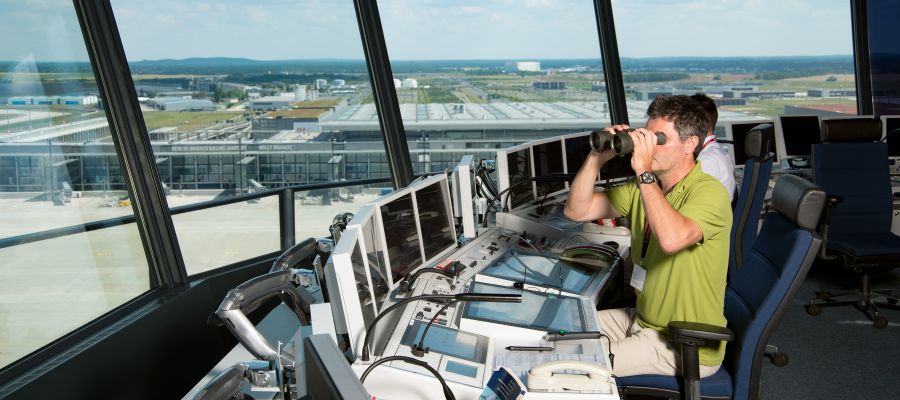

The UAS industry has been waiting for such signals for a long time and, in parts, has been working towards this for years. As of August 6, 2026, lower requirements for drone use in the control zones around the major German airports, such as Frankfurt am Main, Munich, Berlin, and Leipzig/Halle, will come into effect. The obligation to adhere to further regulations in the vicinity of airports in accordance with the requirements of the open or specific operational category remains unaffected by the new regulation.
To outsiders, it might seem somewhat strange that just over 24 hours after the drone incident in Leipzig/Halle, the regulations for operating unmanned aerial systems (UAS) in the control zones around major airports were eased. However, firstly, it is evident that criminals are not deterred by stricter laws, and secondly, the decision to introduce new procedures for UAS flights in control zones effective from August 6, 2026, was already published in the notifications for aviators on June 19, 2026 (NfL 2026-13960; „General decree for issuing air traffic control clearances for flights with model aircraft and unmanned aerial vehicles in control zones with DFS airport control“) by the responsible DFS – Deutsche Flugsicherung. It was actively communicated in a press release about four weeks later.
Tiered Height Approvals for UAS Operations
Where previously the same regulations applied throughout the entire control zone for the legal operation of drones, a total of four zones have now been defined where individual simplifications apply. In plain terms: Under the conditions set for each zone, the necessary air traffic control clearance is automatically considered granted.
Essentially, the general decree stipulates that the DFS clearance for UAS operations is automatically granted up to a certain height above ground and depending on the distance from the inner core area of the airport. This particularly facilitates drone operations over agricultural land near airports, as well as inspection and delivery flights that only need to cross the respective control zone at a certain distance from the airport’s core area. For Zone 1, which covers the area directly above the airport and „within a lateral distance of 1 km from its boundary, as well as 5 km behind the start and end of the runways – over a width of 1 km to the left and right of the runway centerline“, an individual air traffic control clearance is still required under the current new regulations.
More News
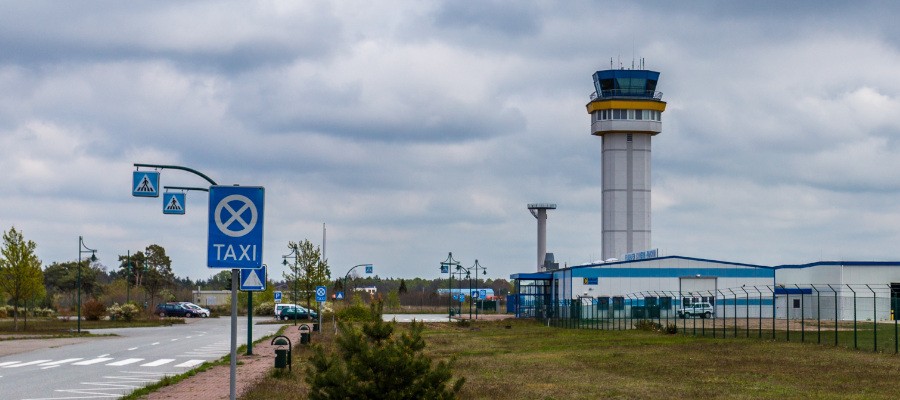
Image: DFS – Deutsche Flugsicherung
If you use Google as your search engine, you can set Drones as your preferred source so that our content appears more frequently in your search results. Add Drones as your preferred source.