HII: coordinated operation of above-water and underwater drones
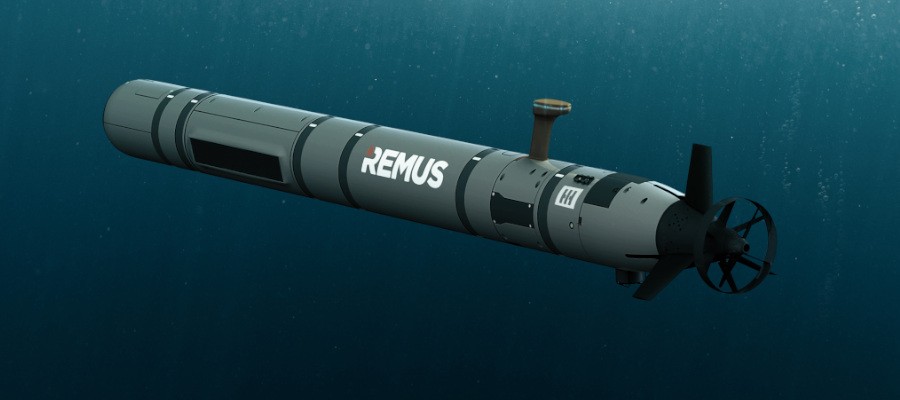

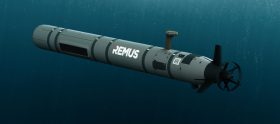
For the first time, autonomous systems from the American shipbuilding group Huntington Ingalls Industries (HII) have proven that they can cooperate in a network with components above and below the water surface. The uncrewed surface vessel (USV) Romulus 7 played the leading role in this demonstration. It acted as a relay station to transmit real-time data from the uncrewed underwater vessel (UUV) Remus to the operations center. This network excels with its wide range of applications and high degree of autonomy.
The Romulus 7 is a portable surface vehicle with a length of just over 2 meters, controlled by HII’s Odyssey Autonomous Control System and designed specifically for expeditionary or military operations. The highlight: it can receive data and environmental information from a Remus underwater drone and transmit it in real time over long distances to a base station.
How data transmission works
A key objective of the trial was to use the Romulus 7 as a mobile relay station on the water surface. In this role, the surface vehicle is able to transmit the data collected by the underwater vehicle to the operations center in real time. This extends the operational range of the systems while maintaining stealth and autonomy. To ensure seamless coordination between the USV and UUV, the mission was planned, monitored, and managed using HII’s Odyssey Mission User Interface.
What communication systems are used?
The test also confirmed the applicability of the Romulus 7’s standard communication and sensor equipment. This includes acoustic communication systems for collaboration with the underwater vehicle, cameras, Wi-Fi, Starlink, MANET radio, and GPS. This confirmed the effectiveness of the system in combination with the Remus.
Internet:
https://hii.com/
Photo: HII