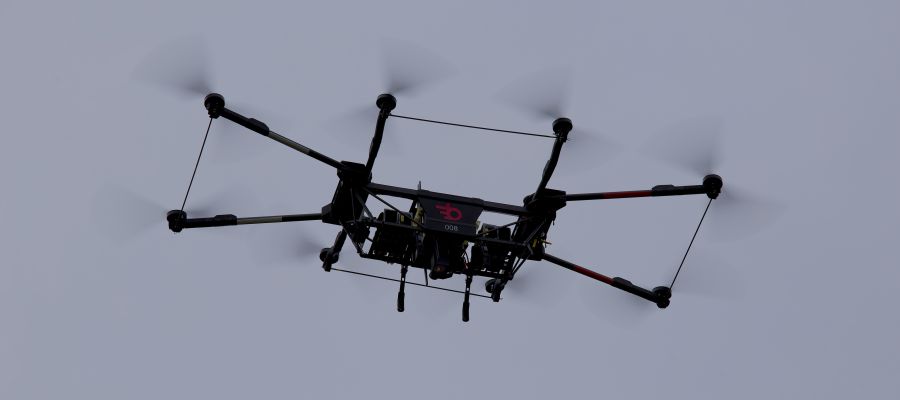

Ground-based methods are time-consuming and costly; using helicopters generates significant noise and harmful emissions. When inspecting linear infrastructure, such as power lines or high-pressure gas pipelines, UAS-based methods offer significant advantages. One such method is methane gas detection via drone, which Beagle Systems conducts on behalf of the gas network operator Schleswig-Holstein Netz across a total distance of approximately 1,850 kilometers.
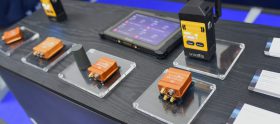
The EU Methane Regulation requires gas network operators to inspect their entire network for leaks. There are particularly high demands on the sensitivity of the detection systems used to identify even the smallest emissions of the greenhouse gas methane. The Beagle T1 laser sensor, developed by the Hamburg-based company Beagle Systems for UAS-based operations
, enables highly precise detection of methane escaping from the surface at an altitude of about 40 meters.
5 out of 1,000,000
The sensor operates on the principle of Tunable Diode Laser Absorption Spectroscopy (TDLAS). This method determines the concentration of the gas or gas component being examined from the measured absorption. The Beagle T1 can detect five methane molecules among one million air molecules, exactly as required by the EU Methane Regulation’s LDAR (Leak Detection and Repair) Type II standard.
Pipeline inspection with drone assistance has proven to be the most efficient method in extensive tests to meet the requirements of the EU Methane Regulation. Walking along the pipeline with so-called gas sniffers is extremely labor-intensive and, due to vegetation restrictions, sometimes impractical. Ground inspections quickly reach their limits in hard-to-access areas, …